

Food Science is Not Broken
Food science is not broken. But people keep treating it like it is finished.
I was quoted this week on the David bar lawsuit, and the bigger issue is not just a protein bar. It is partly about how badly people want to call a single scientific method a gold standard, when it might just be an old standard.
Science advances, and so should humans.
—–
AOAC 945.44, titled “Fat (Crude) in Food — Acid Hydrolysis Method” is a gravimetric method. You add acid to the sample, then you extract the fat with a nonpolar solvent and weigh the result. Sounds easy, right?
Wrong. If a fat in a food is bound by protein, it might not get extracted and the result underestimates. If the food has naturally occurring waxes, sterols or other non-fat hydrophobic substances, it falsely counts those as fat and overestimates. The results all depend on the matrix – or the specific composition of what’s being tested.
The crude fat method was also developed for an earlier era of food, before ingredients and products that defied the limits of older assumptions. It doesn’t make AOAC 945.44 worthless — it just means it’s not automatically the right method for every sample.
Same with running bomb calorimetry for calories. It’s just the old standard, not the gold standard.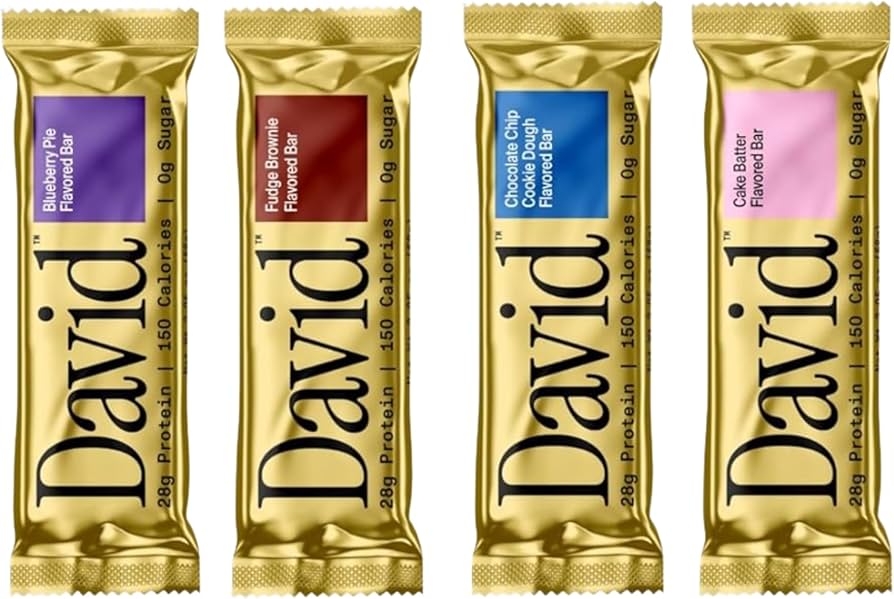
Today, we’ve got more specific methods that blow gravimetry and calorimetry out of the water in terms of accuracy and precision. But the lab will run whatever test you order – so you have to order wisely.
We can still run the old method to see how its results compare to the new methods. But don’t jam everything imaginable through the old methods and expect to have perfect results.
This is is how science is supposed to work. It advances, refines and updates when old tools prove insufficient. So today, we’ve got better tools to measure fat and calories — compositional analysis, ingredient-specific metabolic data, and FDA-compliant flexibility to the science — all allowed under 21 CFR 101.9.
Wilbur O. Atwater would be proud of where we are. And I’m guessing that would probably shame anyone who oversimplifies his 4-4-9 and picks gravimetry over the tools we have at our disposal today to get a splashy, cheap and fast answer.
Food science is like every other scientific discipline. It keeps moving.
The question is not whether an old method was once respected and most commonly used. It is whether it is still the right one now, fit for purpose to the matrix.
Article in Nutritional Outlook: https://www.nutritionaloutlook.com/view/david-protein-faces-class-action-over-caloric-and-fat-labeling-accuracy

Sorry, the comment form is closed at this time.