
Call us toll free: (317)727-9173
Top notch Multipurpose WordPress Theme!

New Research and Opportunities in Weight Management

by NaturPro in Uncategorized Comments: 0

Untold tens of thousands of published scientific studies reveal ways to maintain a healthy body weight. Most weight management studies published in the past 20 years heavily emphasize overall diet and lifestyle, incorporating lifestyle interventions in addition to drugs or supplements.

Simple lifestyle interventions—like getting a daily text reminder, recording an eating diary, and attending group meetings or therapy—are shown to help lose some weight. Yet on average, the weight lost with most simple interventions (no extreme calorie restriction or drug or supplement intervention) is usually small—in the range of 5 to 10 pounds over a course of three to 12 months, depending on the study.

Over the longer term, the numbers are worse. Folks often rubber band as far the opposite way as they came. Either way, many rigid plans over the long term are enough to reverse obesity and improve health outcomes for most individuals. Overweight individuals often need a little more help to reach a healthy weight.

But these days, marketing supplements to support weight management goals is tough, and depends more than ever on how a product is developed, studied and labeled. Intense regulatory scrutiny of weight loss supplements has all but decimated the use of the word “loss.” Now, products historically marketed for “weight loss” are instead touting “weight management,” and making no numerical claims about pounds or body mass index (BMI) lost. It’s hard to tell how well these claims resonate with consumers.

Natural Product Consultants

The bar to make more aggressive and meaningful claims has been set high in recent times by FTC, which requires repeated, well-designed, rigorous clinical studies that stand up to scrutiny. Lower-risk approaches are frequently recommended, to include carefully worded marketing and labeling. Adding qualified claims and disclaimers on weight management products can serve to both educate consumers as to what they should do outside of taking a supplement—and also warn them that a pill will not cure couch potato-itis. Today’s savvy consumers know that miracle diets are unbelievable, because many of the more successful weight management regimens in recent years have included nutritional products within a lifestyle plan, such as diet guidance, food lists and other helpful tools.

In that context, let’s talk about some of the supplements shown to be helpful for weight loss, supplements shown to be helpful for weight loss especially as part of a healthy diet and lifestyle:

Whey protein: It makes sense that protein intake can replace carbs and fat and help to increase muscle mass. But science is starting to figure out other ways in which protein works for healthy body weight. A 2022 study in older overweight or obese women found that adding 20 grams of whey protein or whey protein hydrolysate to an energy-restricted diet for eight weeks reduced body fat and upregulated key metabolomic pathways compared to the restricted diet alone. On the protein note, another 2022 study found that unprocessed red meat in overweight/obese adults after a rapid weight loss further reduced body fat and increased lean muscle mass.

Omega-3 fatty acids: Polyunsaturated fatty acids (PUFAs) are important nutrients that play a role in body lipids and inflammation. Studies have suggested that supplementation with omega-3 can help reduce body weight. A recent study in middle-aged, overweight adults found that 1,020 mg omega-3s for 12 weeks lowered abdominal fat versus the placebo group.

Licorice extract: Studies on nonalcoholic fatty liver disease (NAFLD) may offer some clues of interventions that may also be helpful for weight loss. Because NAFLD and obesity are heavily associated, improving markers of one often leads to an improvement in the other. In one study in women with NAFLD, women who took 1,000 mg licorice extract a day as part of a weight loss diet experienced improved markers of NAFLD, versus those who only engaged in a lifestyle intervention. More research is needed to determine the potential effects of licorice on body weight.

Synbiotics: Some subpopulations of humans are more prone to gain excess weight. In a recent study on people experiencing weight gain due to antipsychotic use, those who took probiotics with dietary fiber reduced body weight and metabolic abnormalities.

Antioxidants: Natural antioxidants from fruits, vegetables and spices show promise, because they tend to support metabolic function and help to balance inflammation associated with stress and being overweight. A study on Moro blood orange extract improved BMI, fat mass, and hip and waist circumference in healthy, overweight adults after six months, versus placebo.

Calcium and vitamin D: Combining calcium with vitamin D and low-fat dairy products as part of a hypocaloric diet was recently shown to improve blood lipids, leptin and apolipoprotein B (ApoB, involved in lipid metabolism). Both calcium and vitamin D are essential to metabolic function, and a large percentage of American adults are at least moderately insufficient in this nutrient pairing.

Natural GLP-1 agonists: One main emerging biological pathway interesting for weight loss drugs and supplements is glucagon-like peptide-1 (GLP-1). Semaglutide (Ozempic) is one of the notable drugs that increases the expression of GLP-1, which reduces feelings of hunger and food intake, resulting in significant weight loss. However, this class of drugs is associated with side effects and the unknowns of long-term use. Several natural products also appear to act as GLP-1 agonists, some of which are traditionally used to support healthy metabolic function. Examples of GLP-1 agonists in the diet include:

• Hops extract (500 mg) in both fast and slow-release forms stimulated secretion of lunchtime GLP-1, as well as ghrelin and peptide YY, compared to placebo.

• Eriocitrin (200 mg as Eriomin, from Ingredients by Nature) is an antioxidant flavonoid from lemons which in a 2022 study increased GLP-1 while decreasing blood glucose and tumor necrosis factor (TNF)-alpha in people with moderately high blood sugar.

• Isomaltulose is an alternative sugar which does not spike blood sugar like other sugars. In a 2019 study, isomaltulose increased GLP-1 by up to 85% compared to sucrose or table sugar, while decreasing blood sugar and insulin in healthy, impaired glucose and type 2 diabetic adults.

Supplement capsules prototype pilot samples

Looking at the recent literature, measurement of markers like GLP-1 has increasingly become standard in weight management trials. It’s only a matter of time until some supplements are validated in rigorous, large studies with well-designed dietary interventions proven to accelerate weight loss and support healthy weight management for the long term.

Reflecting on the kinds of supplements being studied versus the dietary recommendations supporting a healthy body weight, a lot is shared in common: antioxidants, fiber, micronutrients and healthy fats are considered part of a healthy diet more now than ever.

But as everyone knows, it’s hard to get enough of these nutrients from foods alone. So these days, when I sit down with my parents for a family meal, I’m bringing some supplements.

This article was originally published in the April 2023 Natural Products Insider Digital Magazine.

What’s ‘noo’ in nootropics?


Well first: what’s NOT new: Pharmaceutical ingredients masquerading as nootropic supplements. A February 2019 Warning Letter from FDA to Pure Nootropics LLC regarding disease claims for legitimate supplements, along with drugs sold as supplements (like piracetam and its analogs) was followed by a polite closeout letter in June of that year, failing to mention whether said ingredients are actually dietary ingredients. The takeaway? Unapproved drugs are regulated just like all the legal dietary ingredients, as long as you don’t claim it prevents or cures disease. 

Brain Supplement Nootropic Food Beverage Drink

What a missed opportunity to draw the line between dietary ingredient — and totally not one! Now, the deluge of -racetams and analogs of unapproved drugs continues. Because after aniracetam comes johnnyracetam and billyracetam, according to our historically accurate crystal ball. So much for the well-regulated vitamin militia.

Luckily, there’s a lot of safe and natural ingredients in food that boost brain power. Choline, the building block of neurotransmitters now no longer “conditionally” essential, but fully essential at a recommended amount of 550mg per day. Choline is the place where nootropics and nutrition meet. Recent work has shown that phospholipid-bound choline from food sources like egg absorb around 4 times better than choline bitartrate salt. Maybe no surprise, since the egg came first — but the chicken is crossing the road too. Recently, hydrolyzed chicken essence peptides improved memory in people with stress.

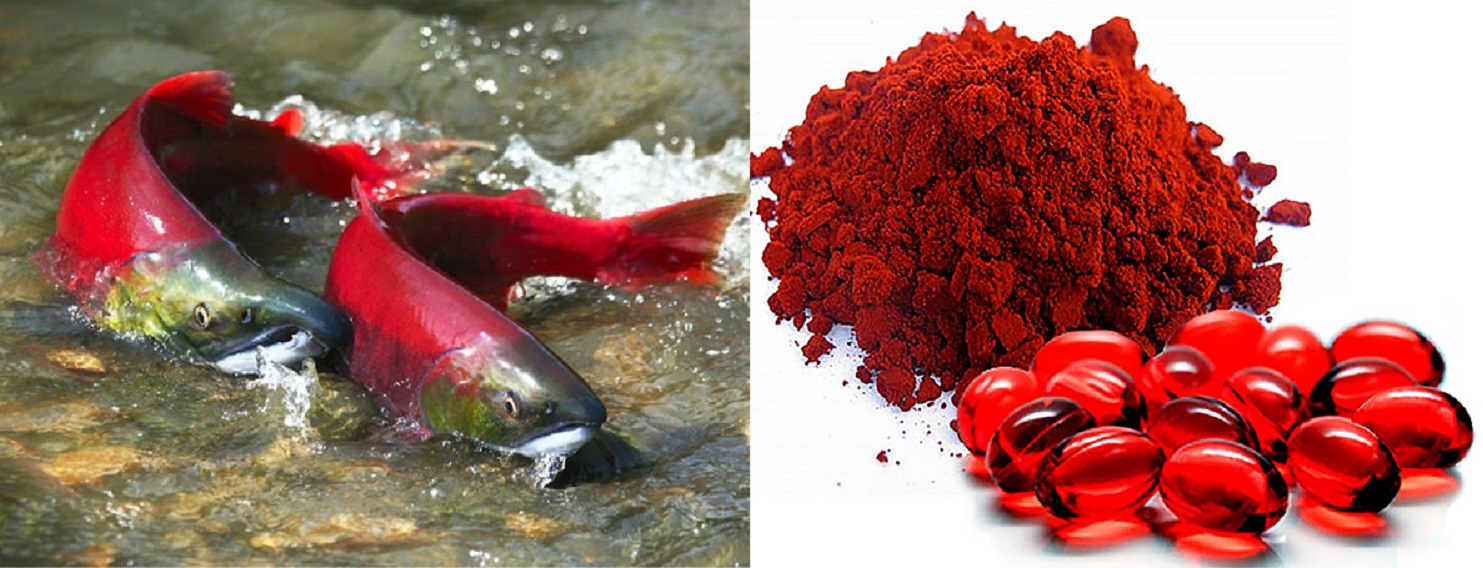
Astaxanthin Fish Seafood Antioxidant

Evolving science is starting to consider effective combinations of antioxidants to improve brain function. As we know, the brain burns hot with energy, at the expense of a lot of waste byproducts – a lot of oxidative stress.  So we could look at ingredients like astaxanthin, the super-powered antioxidant from the deep sea, as a kind of base ingredient from which to expand. Conventional wisdom, enabled by improved clinical methods, suggests that combinations of ingredients can be helpful to exert an effect on the brain beyond simply “antioxidant activity”. Cerebral blood flow, brain waves and validated clinical instruments for cognitive function lead the way, so we can drill down more precisely on nootropics’ effects on the brain. 

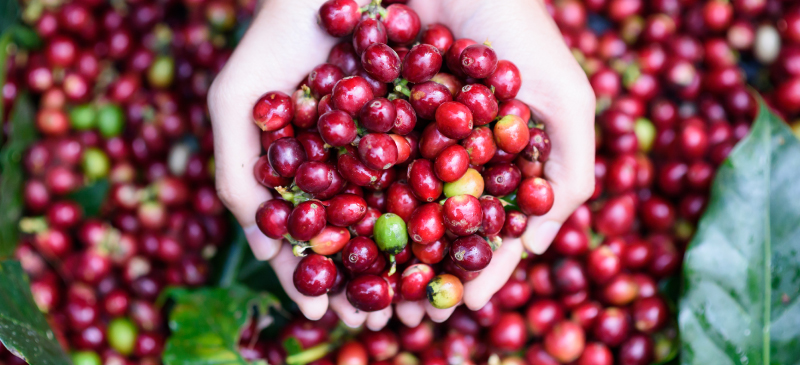
Recently, we have studies on astaxanthin and tocotrienols or sesamin shown to improve cognitive function and perform complex tasks quickly and efficiently. And in 2020, a polyphenol-rich beverage with apple polyphenols, ginseng and coffee berry extract improved cognition, mood and cerebral blood flow in a randomized controlled human trial.  I’m looking for new product launches inspired by the science on studied combinations to provide synergistic mental gains, compared to any one ingredient alone. That means more finished product marketers need to invest in studies on their products. 

Dietary flavanols, like those from cocoa, are being increasingly studied for the brain. Like with many supplements, clinical results from cocoa flavanols on the brain have been mixed. But we know one of the reasons why – because results are confounded by scientific and practical limitations of clinical measurements and study design. For example, if all your study has is a ruler marked to the nearest inch, then you can’t use the ruler to measure millimeters — or time, for that matter. In a new study, researchers found that the cognitive benefits of cocoa flavanols — likely due to increased blood flow to the brain — occurs mainly in people who have inadequate blood oxygenation to start with. Clinical trialists are starting to understand that every human is different, and that to avoid another null or confusing result, they need to more carefully select the trial subjects who are most likely to benefit from a nutritional intervention. 

Coffee fruit ingredient specification supplier

Science is also investigating alternatives to caffeine. While we love our morning joe, chock full o’ xanthine alkaloids, we also can’t escape the jitters, cortisol spike and crash that comes with the daily mainline. The emergence of low- and no-caffeine products to boost brain power are likely to deliver on benefits where caffeine cannot – more sustained energy, less stress, better sleep and recovery, no habituation, and a refreshing start to the next day. So that in the future, maybe we’ll prefer to wake up to a triple shot of green oat espresso

Speaking of refreshing starts, it’s well established that sleep quality is directly correlated with next-day mental and physical performance. So it makes sense that supplements that truly improve sleep and stress levels are likely to improve brain power as well. A low-sugar drink with tart cherry, protein, valerian and L-theanine improved some markers of sleep without detrimental effects the next day. I’m looking for more products that you consume today, to be more productive and healthy, and less stressed tomorrow. 

Many traditional remedies used for relaxation have been studied for improved cognitive function. Essential oils, once the black sheep of evidence-based health, are getting a new look. Lamiaceae, the marvelous mint family of botanicals that includes lavender, rosemary, lemon balm and sage, is being tapped to induce relaxation and improve mental function. Recently, a small, 100 microliter oral dose of peppermint oil rich in menthol and menthone improved information processing and lowered mental fatigue in demanding cognitive tasks. Combinations of other botanicals from this family are also being studied for improved cognitive function.

food supplement product development

And finally, the 2021 award for most-overlooked-but-recently-studied nootropic ingredient is…. Plain old water. It makes up 73% of your brain. It’s cheap. Safe. And it is unquestionably not a drug in disguise. In recent studies, water improved memory in kids. In another study in young adults, a small amount of water (200 mL) was enough to improve mood and fatigue, but only the higher dose of water (500 mL) improved working memory

So when it comes to nootropics, maybe it’s time to throw away the billyracetam, and enjoy a cool drink of H2O instead.  

Sustainable sourcing: Not ‘selfies with farmers’

by NaturPro in Uncategorized Comments: 0

International standards and regenerative farming are at the leading edge of sustainability when discussing the sourcing of herbs and botanicals. But at essence, promoting sustainability begins with evaluating and understanding what is needed most to sustain and improve supply.

Toxins land baby foods in hot water

by NaturPro in Uncategorized Comments: 0

Ebersole can see the writing on the wall. “I expect the media will report that these levels reported in baby food are toxic—and sow more distrust in baby food. Meanwhile, industry looks bad, but it’s not entirely our fault without some clarity on what limits we should be setting,” he said.

How to Meet Amazon Supplement COA (Certificate of Analysis) Requirements


Understanding Amazon’s new requirements for supplement testing can be hard, but we can help.

We are aware of the rapidly changing, uncertain requirements of Amazon for dietary supplements.

One of the key new requirements is for marketers to submit certificates of analysis, of COA for many dietary supplement products.

As of late 2020, Amazon.com is now requiring many supplement products to submit lab reports as evidence that their products are independently tested and meet label claims for active ingredients listed on the label.

There is no ‘one-size-fits-all’ solution to testing, COA’s or meeting Amazon requirements, so its important to evaluate your product testing program, and improve it so you can stay on the Amazon selling platform.

Contact us to learn more about how to ensure you are meeting Amazon requirements.

————————

Here is a handy checklist of some of the main requirements for information now required by Amazon for many supplement products, in order to be approved for sale on the Amazon platform:

  1. Product name
  2. Lot number
  3. Manufacture date
  4. Valid expiration date, or ‘best by’ date
  5. Name and physical address of manufacturer or distributor
  6. Testing Lab method is scientifically valid, and the lab reports (Lab Certificates of Analysis are complete, and issued from an ISO 17025 certified laboratory within the past 6 months
  7. The COA contains a quantitative analytical result that supports the concentration of active ingredients stated on the supplement product label.

These are items that many sellers (and even FDA) has overlooked in the past. Considering the importance of Amazon to the supplement industry, these new requirements could determine which supplement marketers, or own-label distributors, are going to survive in the new world of stricter requirements on the Amazon website.

ABOUT US:

NaturPro Scientific are experts in label review, supplement testing and COA’s, and we can help you make sure you are compliant with Amazon’s latest requirements.

Contact us to learn more about how to ensure you are meeting Amazon’s document and testing requirements for dietary supplements.

——————

And for more info, check out some of our FREE articles on supplement label requirements:

Dietary Supplement Label Review

Supplement Label Review Checklist

Dietary Supplement Quality Assurance Services

How to Know the Regulatory Status of Your Ingredient

Supplement Testing Lab and Testing Method Qualification

Harvesting a quality hemp supplier from the chaff


The supply chain for hemp ingredients like CBD is crowded, with the whole spectrum of quality available. At the top are legitimate, transparent sources exerting extreme care, control and expertise. At the bottom, a glut of traders and speculators who are blind to product provenance and production.

Supplement & Distributor SOP’s and Procedures


If you market or sell your own label of supplement or food product that is manufactured by a third party, such as a contract manufacturer or copacker, then you are responsible for its manufacture and labeling—even if you never physically touch the product. 

Finding success in the RTD beverage aisle


Dietary Supplement Product Experts

While learning from success is seemingly more enjoyable, there are lessons to be learned in failure as well. Learn the top tips for success and avoiding failure in the RTD beverage aisle. 

Blake Ebersole | Sep 17, 2020

First published in Natural Products Insider

Insider Takes

  • The RTD beverage aisle in closeout stores provides valuable intel regarding product launch failures.
  • World circumstances have led to great opportunities for enjoyable, affordable functional beverages.
  • Brands should focus on creating a unique value proposition versus struggling to find a new ingredient.

Everyone likes to emulate and learn from the success stories in product development—the ones that made it big and struck it rich. But learning from failure is important, too. Because for every success story in ready-to-drink (RTD) beverages, a dozen struggled to turn a profit. In the internet age, products developed with great fanfare all too often disappear into oblivion within a couple years. And whatever happened to (insert the name of that drink)? Fortunately, there’s a place to see what’s ready to fall off the edge of the world.

In almost every decent-sized town and city, a closeout grocery market offers expired and overstock goods that couldn’t be sold in the primary markets. The RTD beverage aisle in closeout stores is prominent, due to its large size and great selection of drinks that no one else wanted when they were fresh. I call it the aisle of failure. This place is fascinating, because each bottle tells its own story—with its dusty caps and sedimented bottoms, its past-expiration dates, and prices marked down to a dollar or less. Their stories are about the superfruit that never really was, about the outdated formulas that ignored consumer trends and basic concepts of functional drinks. Their stories tell a lot about consumers, who are both less intelligent and smarter than is often realized.

On these shelves is a university of education for a product developer in how to keep products away from their final oblivion…

Help with life’s real issues

Today’s peri-COVID world is tiring and stressful, and that’s before turning on the TV or scrolling through one’s social media feed. Fewer people than ever have the disposable income to take a vacation or buy their next house. So, $3 for a temporary indulgence has become the Calgon bubble bath of the 2020s. The current demand has never been greater for more energy and less stress, filling in nutritional gaps, or just something satisfying that seems healthy. Today more than ever, for better or worse, enjoyment often comes in a bottle or can.

Minimize sugar and “junk”

Sure, sugar tastes good. (Really good). And it secretly wants to kill us softly with its song. And consumers, now accustomed to the taste of noncaloric sweeteners, are increasingly willing to sacrifice a little bit of that authentic sugary flavor for what they perceive as a real benefit. (And did I mention, health is top of mind now?)

Then there’s “junk,” which like beauty, is in the eye of the beholder. It’s always interesting to see each brand’s unique take on what junk means to them. But looking at a population of products in a category, repeated definitions of junk emerge, which must mean something—at least in terms of anticipated demand. The junk ingredients have funny or chemical-sounding names, and don’t state the ingredient’s natural source or purpose. At the same time, the “not junk” ingredients are typically from plants, and are often called “organic,” whatever that means in reality. Whether one agrees with the meaning of junk ingredients, it’s fair to say that in general, natural, plant-based is better. (Although isn’t sugar from a plant too? But I digress.)

Meaningfully different, yet familiar

The drink market is crowded and challenging. Sure, a brand could launch another me-too flavored water with antioxidants, but turning a profit on knockoffs requires brute strength, patient investors and a lot of luck. Meeting high-demand and up-trending needs in a new and meaningful way is the holy grail, and hitting on this combination requires a mix of familiar yet different. And still, what’s different needs to be meaningful to the consumer, and provide a clear benefit that competitors have difficulty offering.

Natural ingredients with a simple, science-based story

Imagine for a moment a new superfruit called the bubbleberry—claimed to have magical antioxidant powers. Plenty of superfruits have come and gone whose long-term value didn’t live up to their hype. Some critical questions on “hero” ingredients like the bubbleberry should be answered before their promise is burst. Namely, why should consumers care about the bubbleberry? What are its benefits, and will it make the consumer feel good about their purchase? Does the science support its claims, much less its safety for all types of people? And especially, where on Earth is this magical berry grown and processed, how is it grown and processed, and by whom?

The past few decades have brought a number of safe, clinically proven ingredients to choose from, and suppliers who have dedicated their entire business to developing them. There’s no need to find the next bubbleberry when options already exist with validated science, benefits and safety.

Avoiding the shelf of product oblivion means learning from the textbook of product failures, and understanding the rapidly changing needs of the current consumer. Let’s not forget the lessons history had to teach us—especially at the end of a product’s lifespan.

Product Strategy Consultants for Dietary Supplements

by NaturPro in Uncategorized Comments: 27

Product strategy for health products like supplements requires extensive knowledge of consumer trends, marketing, consumer behavior, food science, regulatory requirements and technical and scientific affairs.

NaturPro Scientific combines expertise in a wide array of product types and disciplines, offering clients a way to maximize chances for consumer product success in the market.

Product Strategy – Cores of Discipline 

A product may be determined as safe and effective, and also legal and kosher — but still not be positioned for success.  For example, it may be undifferentiated in a crowded market, or not provide a meaningful benefit that is valued by the consumer. A great product may find itself swimming in infested waters filled with competitors.

Supplement capsules prototype pilot samples
NaturPro offers seed-to-shelf strategy and execution for supplement product development

 Our in-depth analysis and advisory process helps to guide our clients in the right direction.

Some main considerations for any supplement product design consultants includes the following:

  1. Target Health Category(s) and subcategories, including potential niche markets
  2. Market Opportunity Analysis
  3. Market Size & Market Leaders
  4. Key Competitor Analysis
  5. Pricing Sensitivity
  6. Consumer Preference Analysis, including consumner surveys and focus groups
  7. Key Product Benefit
  8. Regulatory Review
  9. Customer Demographics
  10. Differentiation, Positioning and Competitive Analysis
  11. Innovation Strategy
  12. SWOT Analaysis
  13. Marketing and Distribution Channel Analysis

Healthy Food and Supplement Beverage Formulators


Creating a successful healthy food or beverage is a lot more than selecting a list of ingredients that mix well together.

Healthy Food and Supplement Formulators
NaturPro are experienced healthy food and supplement formulators

NaturPro has a broad base of knowledge in product development and production of dietary supplements, healthy foods and healthy beverages, spanning from raw material to finished functional food or beverage.

We guide our clients in the right direction, by helping to manage all or parts of the process for healthy food and beverage formulation and development — from seed to shelf — for dietary supplement and health food products.

NaturPro offers beverage formulation support for healthy drinks

Functional Food and Drink Development

Our client list includes folks of all shapes and sizes, from startup to large corporation.

No two clients or products are the same, but there are some common approaches found in our Product Development Toolbox:

Product Development Toolbox: Top 5 Product Development Tools:

Product development requires a ‘toolbox’ of analysis including the following

  1. Market Analysis, Competitive Analysis and Positioning
  2. Regulatory Status / Safety Assessment
  3. Claims Development and Substantiation
  4. Product Costing and Financials
  5. Ingredient Readiness, Supplier Qualification

Contact Us